
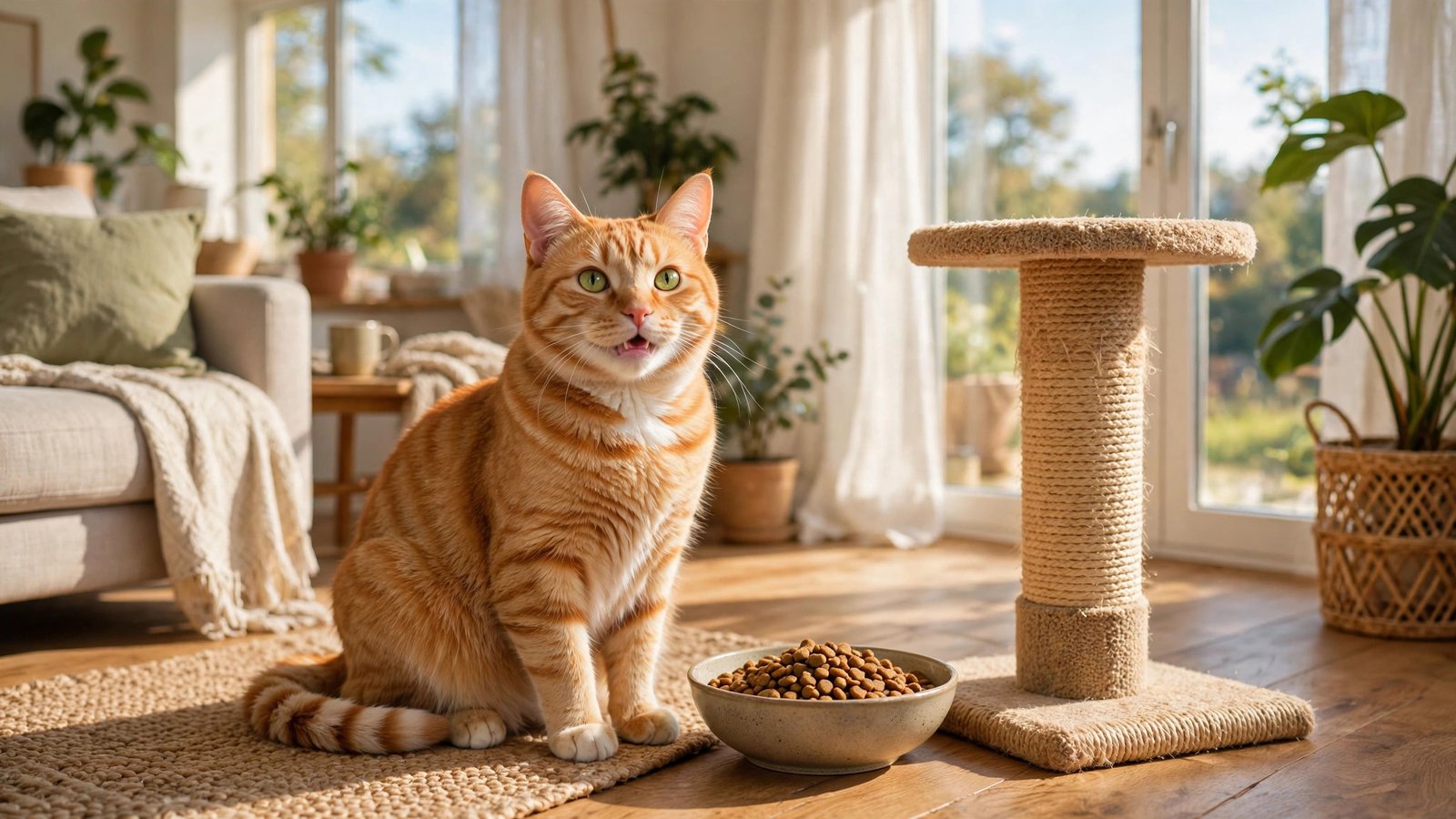
Before you bring a cat home, it is worth asking how much does it cost to own a cat in the United States, because the answer surprises a lot of people. Cats are cheaper than dogs, but they are not cheap. A realistic first-year cost for one cat in the US is about $1,000 to $2,000, and the ongoing annual cost is about $700 to $1,200 a year after that. Over a typical 12 to 15 year lifespan, that adds up to $10,000 to $18,000, not counting emergencies. This guide breaks down every cost category with real US price ranges, explains where new owners overspend, and shows how to keep costs down without cutting corners on your cat’s health.
The numbers below are based on typical US prices in 2026, including shelter adoption fees, mid-range food and litter, routine vet care, and basic supplies. Costs vary by city, a cat in New York or San Francisco will cost more than one in a small town in Ohio, and they vary by the cat itself. A kitten costs more in year one because of vaccines and spay or neuter surgery. A senior cat costs more later because of dental work and blood tests. A cat with a chronic condition such as kidney disease can cost several hundred dollars extra per year. Treat the ranges in this guide as planning numbers, not guarantees, and budget toward the higher end if you want a safety margin.
How Much Does It Cost to Own a Cat in the First Year?
The first year is always the most expensive, because you pay for the cat itself, the initial vet work, and all the supplies at once. Here is a realistic first-year breakdown for one cat adopted from a shelter in the US.
Adoption fee: $50 to $200. Most US shelters charge $50 to $150 for an adult cat and $100 to $200 for a kitten, and that fee usually includes spay or neuter surgery, the first vaccines, deworming, and a microchip. That is a bargain. Buying a cat from a breeder costs $500 to $2,000 or more depending on the breed, and that price usually does not include vet work. A free cat from a friend or a neighbor is not actually free, because you will pay for the spay or neuter and vaccines yourself, which costs more than the shelter fee.
Spay or neuter surgery: $0 to $300. If your shelter cat is already fixed, this is zero. If not, a low-cost clinic charges $50 to $100, and a private vet charges $150 to $300 for a cat. Many US cities have voucher programs that cover part of the cost, so check with your local shelter before you pay full price. Spaying or neutering is not optional. It prevents unwanted litters and reduces the risk of several cancers and behavior problems.
Initial vet exam and vaccines: $100 to $250. Your cat’s first vet visit includes a physical exam, a feline leukemia and FIV test, deworming, and the first round of core vaccines, which are rabies and FVRCP. Kittens need a series of vaccine visits a few weeks apart, so expect two or three vet visits in the first few months. A first vet visit for a cat costs about the same as one for a puppy, and our article on how much a vet visit costs explains what to expect at the clinic and how prices vary.
Microchip: $25 to $50. Most shelter cats are already chipped, but if yours is not, a microchip costs $25 to $50 at the vet, including registration. It is a one-time cost and the cheapest insurance you can buy against losing your cat.
Food: $240 to $600. Food is the biggest ongoing cost and it starts in year one. A budget dry food costs about $20 a month, a mid-range mix of wet and dry food costs about $30 to $40 a month, and a premium wet-food diet can cost $50 or more a month. Kittens eat more per pound of body weight than adult cats, so kitten food costs a little more. Buy food in larger bags or cases to save money, but do not stockpile more than your cat will eat in six weeks, because kibble goes stale.
Litter: $120 to $300. Litter costs about $10 to $25 a month depending on the type. Basic clay litter is the cheapest at $8 to $12 a month. Clumping litter costs $12 to $20 a month. Premium options like silica crystal or natural pine litter cost $20 to $25 a month. One cat needs one litter box plus one extra, so plan on buying two boxes. Scoop daily and change the litter completely once a week, and your litter will last longer and smell better.
Supplies and setup: $100 to $250. This covers a litter box ($15 to $40), a scratching post ($20 to $50), food and water bowls ($10 to $25), a carrier ($25 to $50), a bed or blanket ($15 to $30), a few toys ($15 to $30), and a collar with an ID tag ($10 to $20). You do not need the most expensive version of any of these. A cardboard scratcher for $10 works as well as a $60 cat tree for most cats, and a simple carrier is fine for vet trips.
Total first-year cost: $635 to $2,150, realistically $1,000 to $2,000 for most owners. The low end assumes a shelter cat that is already fixed and vaccinated, budget food and litter, and basic supplies. The high end assumes a breeder cat or a kitten that needs full vet work, premium food, and nicer supplies. If your first-year total comes in under $1,000, you probably got a good deal on adoption and vet care. If it comes in over $2,000, check whether you are paying for premium products your cat does not need.
Annual Costs After the First Year
Once the setup costs are behind you, the annual cost of owning a cat settles into a predictable range. Here is what a typical year looks like for one healthy adult cat in the US.
Food: $240 to $600 a year. This is the same range as year one, and it is the largest single annual cost. Wet food costs more than dry food, and premium brands cost more than store brands. A healthy adult cat does not need the most expensive food on the shelf, but it does need a complete and balanced diet labeled as meeting AAFCO standards. If your vet recommends a prescription diet for a health condition, expect $50 to $90 a month, which is the single biggest jump in annual cost.
Litter: $120 to $300 a year. Same as year one. Buying in bulk, using a litter subscription service, or switching to a cheaper clumping litter can save $50 to $100 a year without any downside.
Routine vet care: $150 to $400 a year. A healthy adult cat needs an annual wellness exam, which costs $50 to $100, plus booster vaccines every one to three years at $25 to $50 per vaccine, and parasite prevention, which costs $50 to $150 a year depending on the product. Indoor cats still need parasite prevention, because fleas and worms can come in on your shoes or through an open window. Dental cleanings are not annual, but a cat that needs one will cost $300 to $800, so budget for it every few years. The American Veterinary Medical Association’s cat care guidance covers the recommended schedule for exams, vaccines, and dental care.
Treats and toys: $50 to $150 a year. Cats do not need many toys, but they do need play. A few new toys, a bag of treats, and a replacement scratcher pad each year cost about $50 to $100. Rotate toys so your cat does not get bored, and remember that a crumpled paper ball and a cardboard box are often more popular than a $25 electronic toy.
Grooming: $0 to $200 a year. Short-haired cats mostly groom themselves and cost nothing. Long-haired cats need regular brushing, which you can do at home for free, or professional grooming at $50 to $80 a session a few times a year. Nail trims at the vet or groomer cost $10 to $20 if you do not do them yourself.
Total annual cost: $560 to $1,650, realistically $700 to $1,200 for most owners. The low end is a healthy indoor cat on budget food and litter with no health issues. The high end is a cat on premium food, regular grooming, and a prescription diet. Most owners land in the middle.
Emergency and Unexpected Costs
The numbers above assume a healthy cat, and healthy cats are not guaranteed. Emergency vet visits in the US typically cost $500 to $2,000, and serious conditions can cost far more. A urinary blockage in a male cat, which is a genuine emergency, can cost $1,500 to $3,000 to treat. A broken leg costs $1,500 to $4,000. Cancer treatment can cost $5,000 or more. These are the costs that catch owners off guard, and they are the reason financial planning matters as much as food and litter.
There are three ways to handle this. The first is pet insurance, which costs $20 to $50 a month for a cat and typically covers accidents and illness after a deductible. Our article on whether pet insurance is worth it breaks down the math in detail. The second is a dedicated emergency fund, where you set aside $30 to $50 a month in a savings account until you have $1,000 to $2,000 available. The third is a combination of both. What does not work is having no plan at all and hoping nothing goes wrong. If you are on a tight budget, our guide to affordable pet care on a budget covers low-cost clinics, payment plans, and assistance programs that can help in a pinch.
Costs by Life Stage
Kittens (0 to 12 months): $1,000 to $2,000 in year one. Kittens cost the most in year one because of the vaccine series, spay or neuter surgery, and the extra food they need while growing. They also destroy more toys and scratch more furniture, which is a hidden cost. On the plus side, kittens are usually healthy, so emergency costs are less common in year one.
Adult cats (1 to 7 years): $700 to $1,200 a year. This is the cheapest stage of a cat’s life. A healthy adult cat on a good diet with annual vet visits is the lowest-cost pet you can own in the US. Enjoy it, and use the savings to build an emergency fund for later.
Senior cats (8 years and older): $1,000 to $2,000 a year. Senior cats need twice-yearly vet visits, blood work once or twice a year at $100 to $250 per panel, and often dental work. Chronic conditions like kidney disease, hyperthyroidism, and diabetes become more common, and the medications and special diets for those conditions cost $50 to $150 a month. A senior cat can still be a wonderful companion, but budget for the extra care.
How to Save Money Without Cutting Corners
You can cut the cost of owning a cat by 20 to 30 percent without affecting its health. Adopt from a shelter instead of buying from a breeder, which saves hundreds of dollars and includes vet work. Buy food and litter in bulk or on subscription, which saves 10 to 15 percent. Learn to trim your cat’s nails and brush its coat at home. Keep your cat indoors, which reduces the risk of injuries, fights, parasites, and infectious disease, and is the single biggest money saver of all. Preventive vet care is cheaper than emergency care, so do not skip annual exams and vaccines to save money in the short term. A $75 exam that catches kidney disease early can save $2,000 in emergency treatment later.
Be careful about the wrong kinds of savings. Cheap food that does not meet AAFCO standards can cause health problems that cost far more than the savings. Skipping parasite prevention invites fleas and worms that are expensive and miserable to deal with. And declawing, which some owners consider as a way to protect furniture, is a painful surgery that is banned in several US states and can cause lifelong pain and behavior problems. A $25 scratching post is a better investment than a $500 surgery that harms your cat.
Is Owning a Cat Worth the Cost?
For most owners, the answer is yes. A cat costs about $60 to $100 a month after the first year, which is less than a streaming subscription bundle, a daily coffee habit, or a gym membership. In return you get a companion that lives 12 to 15 years, asks for very little, and is genuinely good for your health. Studies have linked cat ownership to lower stress and lower blood pressure, and anyone who has had a cat fall asleep on their lap knows the effect is real. The key is going in with your eyes open. If you budget $1,000 to $2,000 for the first year and $700 to $1,200 a year after that, plus an emergency fund or insurance, you will never be caught off guard by a vet bill you cannot pay, and your cat will get the care it deserves for its whole life.
The Bottom Line
So, how much does it cost to own a cat? Plan on $1,000 to $2,000 in the first year, $700 to $1,200 a year after that, and $10,000 to $18,000 over a typical 12 to 15 year lifespan. Food and litter are the biggest ongoing costs, routine vet care runs $150 to $400 a year, and the real budget risk is an emergency vet bill, which is why insurance or a dedicated emergency fund matters. Adopting from a shelter, buying food and litter in bulk, and keeping your cat indoors are the easiest ways to keep costs down. A cat is one of the most affordable pets in the US, but it is still a real financial commitment, and going in with a realistic budget is the best thing you can do for both your wallet and your cat.
Frequently Asked Questions
How much does it cost to own a cat per month?
After the first year, a cat typically costs $60 to $100 a month in the US, covering food, litter, routine vet care, and basic supplies. The first year costs more, usually $85 to $165 a month, because of adoption fees, vaccines, and setup supplies.
What is the cheapest way to get a cat?
Adopting from a shelter is the cheapest option. Fees are usually $50 to $200 and include spay or neuter surgery, vaccines, deworming, and a microchip, which would cost far more if you paid for them separately.
How much does cat food cost per month?
Budget dry food costs about $20 a month, a mid-range mix of wet and dry food costs $30 to $40 a month, and a premium wet-food diet can cost $50 or more a month. Prescription diets cost $50 to $90 a month.
Is pet insurance worth it for a cat?
It can be. Cat insurance costs $20 to $50 a month and covers accidents and illness after a deductible. It is most valuable for emergencies, which can cost $500 to $3,000 or more, and for owners who could not cover a large vet bill out of pocket.
How much does it cost to own a cat over its whole life?
Over a typical 12 to 15 year lifespan, one cat costs about $10,000 to $18,000 in the US, including the first year, annual food, litter, and vet care. Senior years and emergencies can push that total higher.