
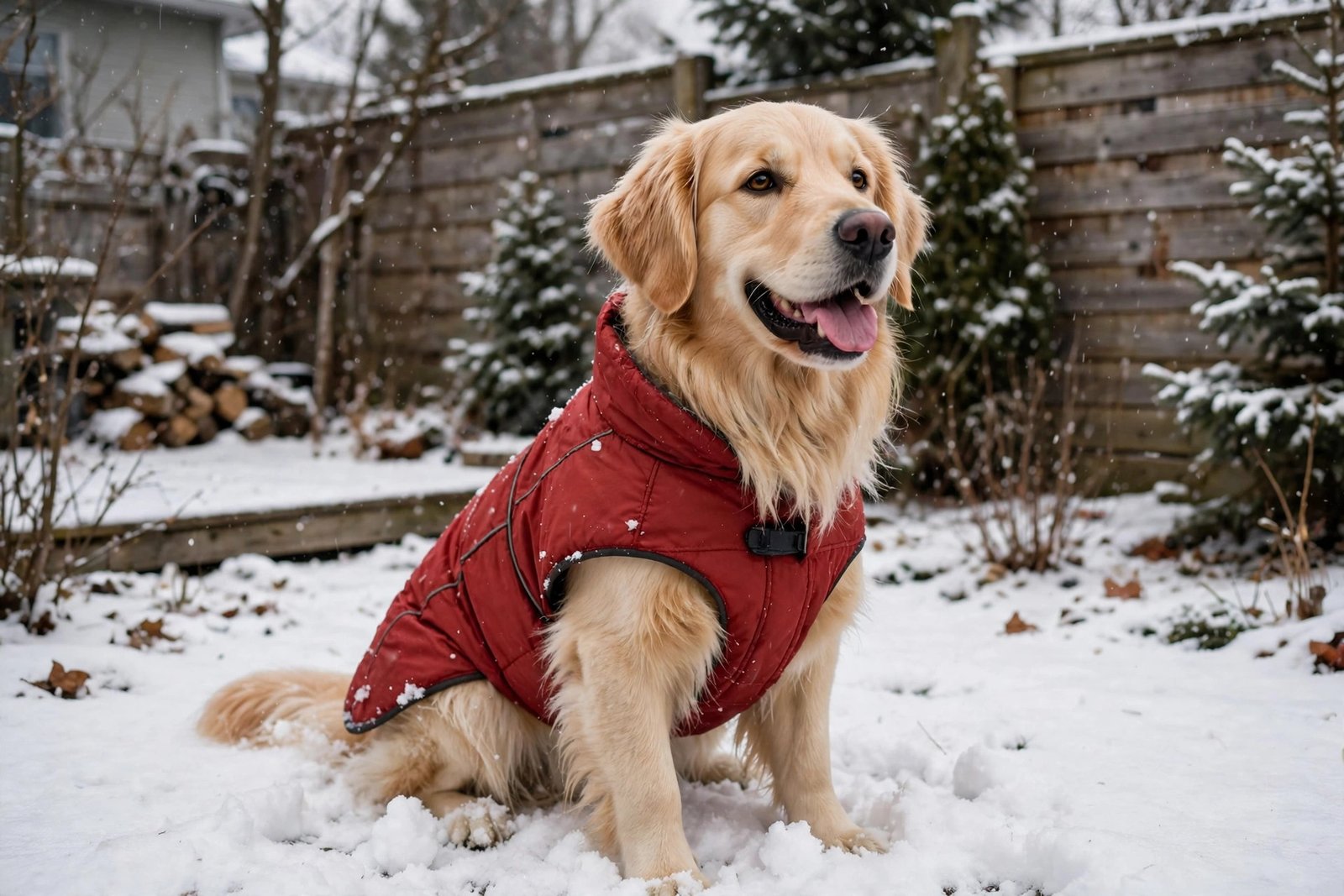
When the temperature drops, every dog owner needs to know how to keep your dog warm in winter. Dogs are tougher than we sometimes think, but they are not immune to cold. Hypothermia and frostbite are real risks, and small dogs, short-haired breeds, puppies, and senior dogs can get dangerously cold fast. The good news is that keeping your dog warm is mostly common sense: limit time outside in extreme cold, dress the dogs that need it, protect their paws, and give them a warm place to sleep. This guide covers all of it, from the temperature danger zones to winter coats, bedding, food, and exercise, so your dog can enjoy the season safely.
Start with the basic fact that not all dogs handle cold equally. A Husky or a Malamute was built for snow and will happily roll in it for an hour. A Greyhound, a Chihuahua, or a French Bulldog has almost no insulation and can start shivering after ten minutes in freezing weather. Age matters too: puppies under six months and senior dogs over ten have a harder time regulating body temperature. Health matters as well. Dogs with arthritis often get stiffer and more painful in cold weather, dogs with heart disease or kidney disease are more vulnerable to temperature stress, and dogs that are very thin have less fat to insulate them. The advice in this guide applies to every dog, but the dogs that need it most are the small, the short-coated, the young, the old, and the sick.
How Cold Is Too Cold for Dogs?
As a general rule, most healthy medium and large dogs with thick coats are comfortable down to about 32 degrees Fahrenheit, or 0 degrees Celsius. Between 20 and 32 degrees, keep walks shorter and watch for signs of discomfort. Below 20 degrees, small dogs, puppies, seniors, and short-haired breeds should only go outside for quick potty breaks. Below 10 degrees, even hardy dogs should not stay out long, and below 0 degrees, no dog should be outside for more than a few minutes at a time. Wind chill makes everything worse, and wet conditions are far more dangerous than dry cold, because a wet coat loses its insulation. The American Veterinary Medical Association’s cold weather safety guidance for pets makes the same point: if it is too cold for you to stand outside comfortably, it is too cold for your dog to stay out for long.
Watch for the signs that your dog is too cold: shivering, whining, lifting paws off the ground, slowing down, hunching up, seeking shelter, or trying to turn back toward the house. Shivering is the first warning, not something to ignore. If your dog stops shivering but is still cold, lethargic, and weak, that is a medical emergency, because it can mean the body has stopped trying to warm itself. Frostbite usually affects the ears, tail, and paw pads, and the signs are pale, gray, or bluish skin that feels cold and hard. If you suspect hypothermia or frostbite, warm your dog gradually with blankets and warm, not hot, water, and call your vet right away. Never use a heating pad directly on your dog’s skin or rub frostbitten tissue.
How to Keep Your Dog Warm in Winter: 12 Practical Tips
1. Get a coat for dogs that need one
Not every dog needs a coat, but many do. Small breeds, short-haired breeds, puppies, seniors, and dogs with arthritis benefit enormously from a well-fitted winter coat. Look for a coat that covers the chest and belly, fits snugly without restricting movement, and is waterproof or at least water resistant. Measure your dog’s back length from the base of the neck to the base of the tail, and check the size chart rather than guessing. A coat that is too tight will chafe, and one that is too loose will not keep heat in. Let your dog wear the coat indoors for a few minutes first so it gets used to the feeling before you head outside.
2. Protect the paws
Paws take the worst of winter. Ice, snow, and road salt can cause cracked pads, chemical burns, and pain. Before a walk, you can apply a paw balm or a thin layer of petroleum jelly to create a barrier. Dog booties are the best protection in very cold or heavily salted areas, and most dogs adjust to them within a few days if you introduce them gradually indoors with treats. After every winter walk, rinse or wipe your dog’s paws with warm water to remove salt and de-icing chemicals, and check between the toes for packed ice balls, which are painful and common in long-haired breeds. Trim the hair between the toes to reduce ice buildup. Our guide to winter paw care for dogs goes into detail on balms, booties, and treating cracked pads.
3. Shorten walks and shift the schedule
In cold weather, trade one long walk for two or three shorter ones, and try to walk during the warmest part of the day, usually late morning or early afternoon. A fifteen-minute walk at noon is kinder than a forty-minute walk at dawn when it is ten degrees. Keep your dog moving during the walk rather than standing around chatting, because movement generates heat. Avoid frozen lakes and ponds entirely, since thin ice can break under a dog’s weight and the cold water shock makes it nearly impossible for a dog to climb out.
4. Give your dog a warm place to sleep
Your dog’s bed should be off the cold floor, away from drafts, and in a warm room. An elevated bed or a thick dog bed with a blanket works well. Older dogs with arthritis especially benefit from an orthopedic foam bed, which insulates better than a thin mat. If your dog sleeps in a crate, add a warm blanket and consider a crate cover that blocks drafts while still allowing airflow. Never put a heating pad, a space heater, or an electric blanket in your dog’s sleeping area unless it is designed for pets and your dog cannot chew the cord. Dogs have been seriously burned by human heating pads left on high. A simple warm blanket, washed regularly, is safer and usually enough.
5. Never leave your dog outside or in a car
Outdoor dogs need a proper insulated shelter if they spend time outside in winter, with a raised floor, a windproof entrance, and dry bedding such as straw, which insulates better than blankets that get wet and freeze. But the honest truth is that most pet dogs should be indoors in winter. A dog left outside in freezing weather can develop hypothermia in under an hour. Cars are equally dangerous in winter. A parked car cools to the outside temperature quickly, and a dog left inside can freeze. If you are running errands in winter, leave your dog at home.
6. Feed a little more, but watch the weight
Dogs that spend a lot of time outdoors in winter burn more calories staying warm and may need ten to twenty percent more food. Indoor dogs that are less active in winter usually do not, and overfeeding an inactive dog leads to winter weight gain. Adjust based on your dog’s activity level and body condition, and ask your vet if you are unsure. Fresh water matters too. Outdoor water bowls freeze, so use a heated water bowl or check and refill the bowl several times a day. Dehydration is easy to miss in winter because dogs drink less when it is cold.
7. Keep your dog dry
A wet dog loses heat fast. Towel your dog dry after walks in snow or rain, and pay attention to the belly, legs, and paws. If your dog has a long coat, consider a shorter winter trim, not a full shave, so the fur does not collect snowballs, but do not shave a double-coated dog in winter. The double coat is its insulation. Brush your dog regularly to keep the coat in good condition, since a matted coat does not insulate well.
8. Exercise indoors when it is too cold to go out
On days when it is bitterly cold, skip the long walk and exercise indoors instead. Puzzle feeders, snuffle mats, hide-and-seek with treats, and short training sessions all burn energy and keep your dog mentally stimulated. A fifteen-minute training session can tire a dog out as much as a walk. Tug games in a hallway, stair exercises for healthy adult dogs, and a flirt pole in a large room are all good options. Keeping your dog busy indoors also prevents the boredom and destructive behavior that come with long winter days stuck inside.
9. Watch older dogs and dogs with arthritis
Cold weather makes arthritis worse. If your senior dog is slower to get up, reluctant to go outside, or limping more than usual in winter, talk to your vet about pain management, joint supplements, and ramps or steps to help with stairs and car access. A warm bed, a coat for outdoor trips, and gentle indoor exercise help a lot. Never give your dog human pain medication like ibuprofen or acetaminophen, which are toxic to dogs. Our article on how much a vet visit costs can help you budget for a winter checkup if your senior dog needs one.
10. Prepare for winter hazards around the house
Antifreeze is the most dangerous winter hazard for dogs. It tastes sweet, it is often spilled in driveways and garages, and a few licks can cause fatal kidney failure. Clean up any spills immediately and store antifreeze where your dog cannot reach it. Rock salt and de-icers are also toxic if eaten, so keep bags stored away and wipe your dog’s paws after walks. Holiday decorations bring their own risks: tinsel, ribbons, and ornaments can cause intestinal blockages, and several popular holiday plants are toxic. Our guide to Christmas plants toxic to pets covers poinsettias, holly, and mistletoe, and our article on how to pet-proof a Christmas tree covers the rest of the holiday setup.
11. Adjust grooming for winter
Bathe your dog less often in winter, because frequent baths strip the natural oils that insulate the coat. When you do bathe your dog, dry it thoroughly before going outside. A damp dog in cold air chills fast. Keep nails trimmed, because long nails make it harder for your dog to grip icy surfaces, and keep the fur between the paw pads trimmed to reduce ice balls. If your dog’s skin gets dry and flaky in winter, a fish oil supplement or a vet-recommended moisturizing shampoo can help.
12. Know when to call the vet
Call your vet if your dog shows signs of hypothermia, frostbite, persistent shivering, lethargy, or limping that does not resolve after a walk. Call immediately if your dog has been exposed to antifreeze or has eaten de-icing salt. And if your dog’s arthritis seems worse, if it is eating less, or if it seems anxious about going outside, a winter vet visit is worth it. Cold weather can reveal health problems that were easy to miss in summer.
Winter Gear Checklist
A good winter kit for a dog that needs it includes a well-fitted waterproof coat, a set of booties, paw balm, a warm elevated bed with a washable blanket, a heated water bowl if your dog spends time outside, a towel by the door for drying off, and a pet-safe ice melt for your own walkway so your dog is not walking through harsh chemicals. You do not need to buy all of this at once. Start with the coat and the paw care, which make the biggest difference, and add the rest as needed. Prices are reasonable: a good dog coat runs about $25 to $60, booties about $20 to $40, and paw balm about $10 to $15 in the US.
Can Dogs Sleep Outside in Winter?
Most pet dogs should not sleep outside in winter. The exceptions are working breeds bred for cold climates that live outdoors with proper insulated shelter, straw bedding, and a constant supply of unfrozen water, and even those dogs need to be checked on regularly. A typical family dog, especially a small, short-haired, young, old, or sick dog, belongs inside at night. If your dog insists on spending time outside, give it a warm shelter, check on it often, and bring it in when temperatures drop below freezing. No dog should be left outside overnight in extreme cold, and in many US states it is illegal to leave a dog outside without adequate shelter in severe weather.
The Bottom Line
Knowing how to keep your dog warm in winter is mostly about paying attention: watch the temperature, watch your dog’s body language, and adjust. Give the dogs that need one a coat, protect the paws from salt and ice, shorten walks on bitter days, and make sure your dog has a warm, draft-free place to sleep indoors. Keep antifreeze and de-icers away from your dog, feed according to activity level, and exercise indoors when the weather is too harsh to go out. A few simple habits are all it takes to get your dog through winter comfortable, healthy, and ready for spring.
Frequently Asked Questions
How cold is too cold for a dog to be outside?
Most dogs are comfortable down to about 32 degrees Fahrenheit. Below 20 degrees, small, short-haired, young, and senior dogs should only go out for quick potty breaks. Below 10 degrees, keep all outdoor time very short.
Does my dog need a coat in winter?
Small breeds, short-haired breeds, puppies, seniors, and dogs with arthritis usually do. Thick-coated breeds like Huskies generally do not. If your dog shivers outdoors, it needs a coat.
How do I protect my dog’s paws from salt and ice?
Use booties or paw balm before walks, and wipe or rinse your dog’s paws with warm water afterward to remove salt. Trim the hair between the toes to prevent ice balls from forming.
Can dogs get frostbite?
Yes. Frostbite most often affects the ears, tail, and paw pads in freezing temperatures. Pale, gray, or cold and hard skin is a warning sign. Warm the area gradually and call your vet.
Should I feed my dog more in winter?
Dogs that spend a lot of time outdoors in cold weather burn more calories and may need 10 to 20 percent more food. Indoor dogs that are less active in winter usually do not need extra food, so adjust based on activity level and body condition.