
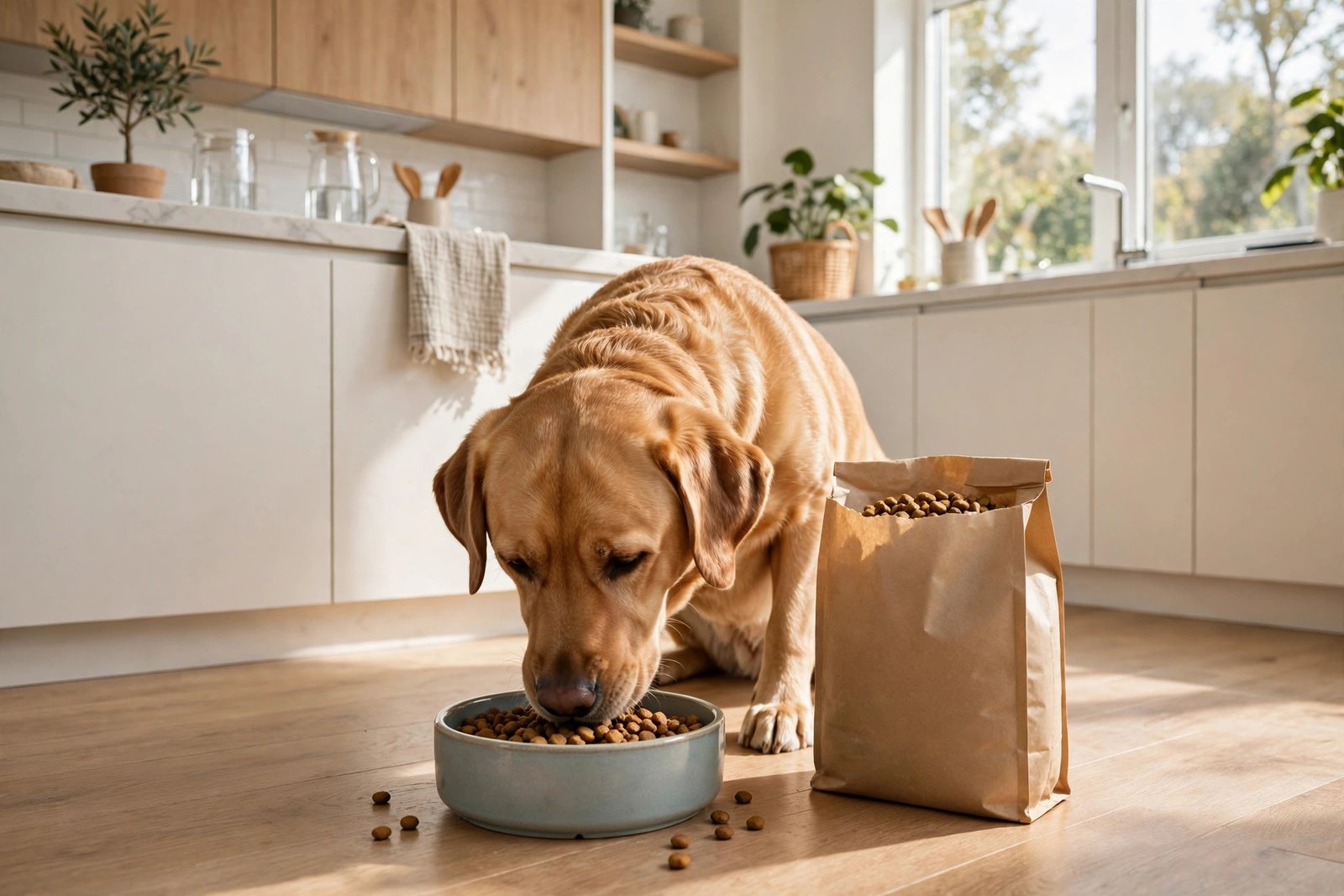
If your dog has soft stool, gas, vomiting, or a rumbling belly on a regular basis, you know how frustrating sensitive stomachs can be — and you have probably typed best dog food for sensitive stomachs into Google more than once. The right food can transform a dog with chronic digestive trouble: firmer stools, less gas, a happier appetite, and fewer emergency vet visits. But the sensitive-stomach aisle is crowded with marketing claims, and not every bag labeled “gentle” or “sensitive” is actually formulated for digestive health. This guide cuts through the noise. We explain what causes sensitive stomachs, what to look for on a label, the vet-recommended approaches that actually work, and the best dog foods for sensitive stomachs sold in the US — with real approximate prices so you can budget honestly.
What Causes a Sensitive Stomach in Dogs?
A “sensitive stomach” is not a medical diagnosis — it is a description of a dog that regularly has digestive symptoms without an obvious single cause. Understanding the possible causes helps you pick the right food:
Food sensitivities and intolerances. The most common cause. Unlike a true food allergy (an immune reaction), a food intolerance means your dog’s digestive system struggles to break down a particular ingredient. The most common triggers in dogs are beef, chicken, dairy, wheat, and soy — though any protein can be a trigger for an individual dog.
Too much fat. High-fat foods and treats, table scraps, and rich foods can overwhelm the pancreas and gut, causing vomiting, diarrhea, and gas. Dogs with a history of pancreatitis are especially sensitive to fat.
Eating too fast or too much. Dogs that gulp food swallow air, which causes gas and bloating. Overfeeding, even of a good food, can cause soft stool simply because the gut cannot process the volume.
Sudden diet changes. Switching foods abruptly is one of the most common causes of digestive upset. The gut microbiome needs time to adjust, and a sudden change can cause days of diarrhea.
Stress and anxiety. Stress affects the gut directly. Dogs with separation anxiety, recent moves, or changes in the household often develop stress-related diarrhea that improves once the stress is addressed.
Underlying medical conditions. Chronic digestive symptoms can signal parasites, inflammatory bowel disease (IBD), exocrine pancreatic insufficiency (EPI), food allergy, or other conditions that need diagnosis. If your dog has had digestive symptoms for more than two weeks, has blood in the stool, is losing weight, or is vomiting regularly, see your veterinarian before changing foods — diet alone may not be the answer. The American Veterinary Medical Association (AVMA) recommends a veterinary exam for persistent digestive problems to rule out medical causes first.
Age and breed. Puppies have immature digestive systems, and some breeds — including German Shepherds, Boxers, French Bulldogs, and Irish Setters — are genetically prone to digestive sensitivity. Senior dogs may develop reduced digestive efficiency with age.
What to Look for in a Food for Sensitive Stomachs
When you are shopping for the best dog food for sensitive stomachs, the label matters more than the marketing. Here is what to look for:
Highly digestible protein
The best sensitive-stomach foods use a single, highly digestible animal protein — such as chicken, turkey, lamb, salmon, or a hydrolyzed protein — as the first ingredient. Hydrolyzed protein is broken down into tiny fragments that the immune system is less likely to react to, and it is the protein used in veterinary prescription diets for food allergies. Avoid foods with vague terms such as “meat by-products” or “animal digest” as the main protein source.
Limited ingredients
Limited-ingredient diets (LIDs) contain a small number of ingredients, which makes it easier to identify and avoid triggers. A good LID has one protein and one or two carbohydrate sources. Fewer ingredients also means fewer chances for an unexpected reaction.
Easily digestible carbohydrates
Rice, oatmeal, barley, and sweet potato are gentle, highly digestible carbohydrate sources commonly used in sensitive-stomach formulas. They provide steady energy without irritating the gut. Our guide to whether dogs can eat sweet potatoes explains why this ingredient shows up so often in gentle diets.
Prebiotics and probiotics
Prebiotic fiber (such as chicory root or beet pulp) feeds the beneficial bacteria in the gut, while added probiotics introduce live cultures that support a healthy microbiome. Many of the best sensitive-stomach foods now include both, and the research supporting them is growing. Look for a guaranteed level of live probiotics on the label, not just a vague claim.
Moderate fat and fiber
Fat should be moderate — enough for energy and coat health, but not so high that it triggers pancreatitis or loose stool. A moderate fiber level (around 3 to 5 percent crude fiber) helps firm up stool without causing gas. Avoid foods with very high fiber unless your veterinarian recommends them.
No common triggers or fillers
Good sensitive-stomach foods avoid artificial colors, flavors, and preservatives, and many avoid corn, wheat, and soy — not because those ingredients are bad for all dogs, but because they are common triggers and eliminating them simplifies the diet. If you are comparing grain-free and grain-inclusive options, our guide to grain-free vs. grain-inclusive dog food explains the trade-offs honestly, including the FDA’s investigation into grain-free diets and heart disease.
AAFCO statement and feeding trials
Look for an AAFCO nutritional adequacy statement on the bag — it confirms the food is complete and balanced for your dog’s life stage. Foods that have been through AAFCO feeding trials (not just formulated to meet nutrient profiles) have been tested on real dogs, which is a stronger standard. The largest manufacturers — Hill’s, Purina, and Royal Canin — employ full-time veterinary nutritionists and run feeding trials, which is one reason veterinarians recommend them so often.
The Best Dog Food for Sensitive Stomachs: Top Picks
These are the most consistently vet-recommended sensitive-stomach foods sold in the US. Prices are approximate US retail prices as of late 2026 and vary by retailer, region, and bag size. All are available at major US pet retailers such as Chewy, Petco, PetSmart, and Amazon, and several are available at veterinary clinics.
1. Hill’s Science Diet Adult Sensitive Stomach & Skin
Price: around $55 to $70 for a 15.5-lb bag; around $90 to $110 for a 30-lb bag. Best for: most dogs with mild to moderate digestive sensitivity. Hill’s is the most frequently recommended over-the-counter sensitive-stomach food by US veterinarians, and with good reason: it uses prebiotic fiber for gut health, vitamin E and omega-6 fatty acids for skin and coat, and a highly digestible formula that most dogs tolerate well. The chicken and barley recipe is the classic, and a small-bites version is available for small breeds. Hill’s also offers a prescription version, Hill’s i/d Digestive Care, for dogs with more serious digestive disease — ask your veterinarian if the over-the-counter version is not enough.
2. Purina Pro Plan Sensitive Skin & Stomach
Price: around $55 to $75 for a 16-lb bag; around $85 to $105 for a 30-lb bag. Best for: dogs with both digestive and skin issues. Purina Pro Plan Sensitive Skin & Stomach comes in salmon and rice or lamb and oatmeal formulas, both with live probiotics guaranteed at the time of feeding — a feature most competitors do not match. The salmon formula is a good choice for dogs that may be sensitive to chicken, the most common protein trigger. It also contains omega-3 and omega-6 fatty acids for skin health. Purina Pro Plan is widely available and often slightly cheaper per pound than Hill’s, making it a strong value pick.
3. Royal Canin Digestive Care
Price: around $65 to $85 for a 14-lb bag; around $100 to $125 for a 30-lb bag. Best for: dogs that need a precisely formulated diet with strong clinical backing. Royal Canin Digestive Care uses highly digestible proteins, a blend of prebiotics, and a specific fiber balance designed to support stool quality. Royal Canin also offers breed-specific and size-specific formulas, and a veterinary prescription line (Gastrointestinal) for dogs with diagnosed digestive disease. Royal Canin tends to be the most expensive of the three major brands, but its manufacturing consistency and research investment are among the highest in the industry.
4. Purina ONE Sensitive Systems
Price: around $35 to $45 for a 16.5-lb bag; around $55 to $70 for a 31-lb bag. Best for: budget-conscious owners. Purina ONE Sensitive Systems is a more affordable sensitive-stomach option that still delivers a real food-based formula with salmon as the first ingredient, rice and oatmeal for gentle digestion, and added vitamins and minerals. It does not include live probiotics at the level of Pro Plan, but for dogs with mild sensitivity it is often enough — and at roughly half the price per pound of the premium options, it is the best value on this list.
5. Blue Buffalo Basics Limited Ingredient Diet
Price: around $60 to $75 for a 22-lb bag; around $80 to $95 for a 24-lb bag. Best for: dogs that need a limited-ingredient diet with a novel protein. Blue Buffalo Basics uses a single animal protein (turkey, lamb, or salmon) and a single carbohydrate (potato or oatmeal), with no corn, wheat, soy, dairy, or eggs. The limited ingredient list makes it useful for elimination-style feeding. Note that Blue Buffalo is a smaller company than Hill’s or Purina and does not employ the same scale of veterinary nutrition research, so it is a good option for dogs whose trigger is a specific ingredient rather than a first choice for undiagnosed digestive disease.
6. Nutro Limited Ingredient Diet
Price: around $55 to $70 for a 22-lb bag. Best for: dogs with food sensitivities that need a clean, simple formula. Nutro’s limited-ingredient line uses lamb or salmon with rice or sweet potato, no corn, wheat, or soy, and no artificial preservatives. It is widely available at US pet stores and a solid mid-price option.
For dogs whose sensitivity is severe or undiagnosed, your veterinarian may recommend a prescription diet such as Hill’s z/d, Royal Canin Hypoallergenic, or Purina Pro Plan Veterinary Diets HA. These use hydrolyzed protein and are available only through a veterinarian, typically costing $90 to $130 for a 16 to 25-lb bag. They are the gold standard for diagnosing and managing true food allergy.
How to Switch to a New Food Safely
Switching foods too fast is the most common mistake owners make — and it can make a sensitive stomach worse before it gets better. Follow this 7 to 10 day transition:
Days 1 to 2: 75 percent old food, 25 percent new food. Days 3 to 4: 50 percent old, 50 percent new. Days 5 to 6: 25 percent old, 75 percent new. Day 7 onward: 100 percent new food.
For dogs with very sensitive stomachs, stretch the transition to 10 to 14 days, changing the ratio by about 10 percent every day or two. If soft stool or vomiting appears at any stage, go back to the previous ratio for two to three days before trying to advance again. Our full guide to how to transition your dog to new food walks through this process step by step, including what to do if the transition stalls.
Give the new food a fair trial: at least 4 to 6 weeks before judging whether it works, and 8 to 12 weeks if you are testing for a food allergy. Digestive symptoms often improve within one to two weeks, but skin symptoms take longer. During the trial, avoid giving other new treats, table scraps, or flavored chews that could confuse the results.
Feeding Tips for Sensitive Stomachs
The food itself is only part of the picture. These habits help a sensitive stomach settle:
Feed smaller, more frequent meals. Three or four small meals a day are easier to digest than one or two large ones, and they reduce the acid and bile buildup that causes vomiting on an empty stomach.
Use a slow feeder. Dogs that gulp food swallow air and overload the stomach. A slow-feeder bowl or puzzle feeder slows them down and reduces gas and bloating.
Keep treats simple. Stick to a few plain, low-fat treats and avoid table scraps, fatty chews, and rawhide. Plain cooked pumpkin is a classic gentle treat for sensitive stomachs — our guide to whether dogs can eat pumpkin explains the fiber benefits and the right serving size.
Maintain a consistent routine. Feed at the same times each day, keep the diet consistent, and avoid sudden changes in treats, chews, or feeding location.
Fresh water always available. Good hydration supports digestion. Some dogs with sensitive stomachs drink more when water is fresh and the bowl is clean.
Track symptoms. Keep a simple log of what your dog eats and their stool quality, gas, and vomiting for two to three weeks. This is invaluable for your veterinarian if symptoms persist.
Consider a probiotic supplement. If the food alone is not enough, ask your veterinarian about a veterinary probiotic such as Purina FortiFlora or Nutramax Proviable. These are more reliable than generic human probiotics, which are not formulated for dogs.
What to Avoid
Avoid grain-free foods unless your veterinarian specifically recommends them, given the FDA’s ongoing investigation into a possible link between grain-free diets and dilated cardiomyopathy in dogs. Avoid foods with vague protein sources, artificial colors, or a long list of ingredients you cannot identify. Avoid raw diets for dogs with sensitive stomachs — raw food carries bacterial risks and is harder to digest consistently, and the AVMA advises against raw feeding. And avoid the temptation to switch foods every few weeks: constant switching prevents the gut from settling and makes it impossible to know what actually works.
When to See Your Vet
See your veterinarian promptly if your dog has blood in vomit or stool, persistent vomiting or diarrhea lasting more than 48 hours, unexplained weight loss, lethargy, loss of appetite, abdominal pain or bloating, or symptoms that keep returning despite diet changes. Puppies with diarrhea can dehydrate quickly and need veterinary care sooner — within 24 hours. Your veterinarian may recommend bloodwork, a fecal test for parasites, or an elimination diet trial to identify the cause. Bring your symptom log and the food labels of everything your dog eats, including treats and chews, to the appointment.
The Bottom Line
The best dog food for sensitive stomachs is one with a highly digestible single protein, gentle carbohydrates, prebiotics and probiotics, moderate fat, and a short, transparent ingredient list — from a manufacturer that employs veterinary nutritionists and runs feeding trials. For most dogs, Hill’s Science Diet Sensitive Stomach & Skin, Purina Pro Plan Sensitive Skin & Stomach, or Royal Canin Digestive Care are excellent starting points, with Purina ONE Sensitive Systems as a strong budget alternative. Transition slowly over 7 to 10 days, give the new food 4 to 6 weeks to work, keep treats simple, and see your veterinarian if symptoms persist or worsen. A sensitive stomach is manageable — and with the right food and a little patience, most dogs feel dramatically better within a few weeks.
Frequently Asked Questions
What is the best dog food for sensitive stomachs?
For most dogs, Hill’s Science Diet Sensitive Stomach & Skin, Purina Pro Plan Sensitive Skin & Stomach, and Royal Canin Digestive Care are the best choices, because they are vet-recommended, use highly digestible ingredients, and include prebiotics or probiotics. The right pick depends on your dog’s specific triggers, so a food trial of 4 to 6 weeks is the best way to confirm it works.
How long does it take for sensitive stomach dog food to work?
Digestive symptoms such as soft stool and gas often improve within 1 to 2 weeks, but give the food a full 4 to 6 week trial before judging it. Skin-related symptoms can take 8 to 12 weeks to improve. If symptoms worsen or do not improve after 6 weeks, talk to your veterinarian.
Is grain-free dog food better for sensitive stomachs?
Not necessarily. Most dogs with sensitive stomachs do fine on grains such as rice and oatmeal, which are highly digestible. Grain-free diets are only better if your dog is specifically sensitive to a grain. The FDA is also investigating a possible link between grain-free diets and heart disease, so do not choose grain-free without a veterinary reason.
Can I give my dog with a sensitive stomach treats?
Yes, but keep treats simple, low-fat, and limited to 10 percent of daily calories. Good options include small pieces of plain cooked chicken, plain pumpkin puree, or a few blueberries. Avoid table scraps, fatty chews, rawhide, and treats with long ingredient lists during a food trial.
When should I see a vet about my dog’s sensitive stomach?
See your veterinarian if symptoms last more than two weeks, if there is blood in vomit or stool, unexplained weight loss, lethargy, or persistent vomiting or diarrhea. Puppies with diarrhea should be seen within 24 hours because they dehydrate quickly. Your vet can rule out parasites, allergies, and other medical causes.