
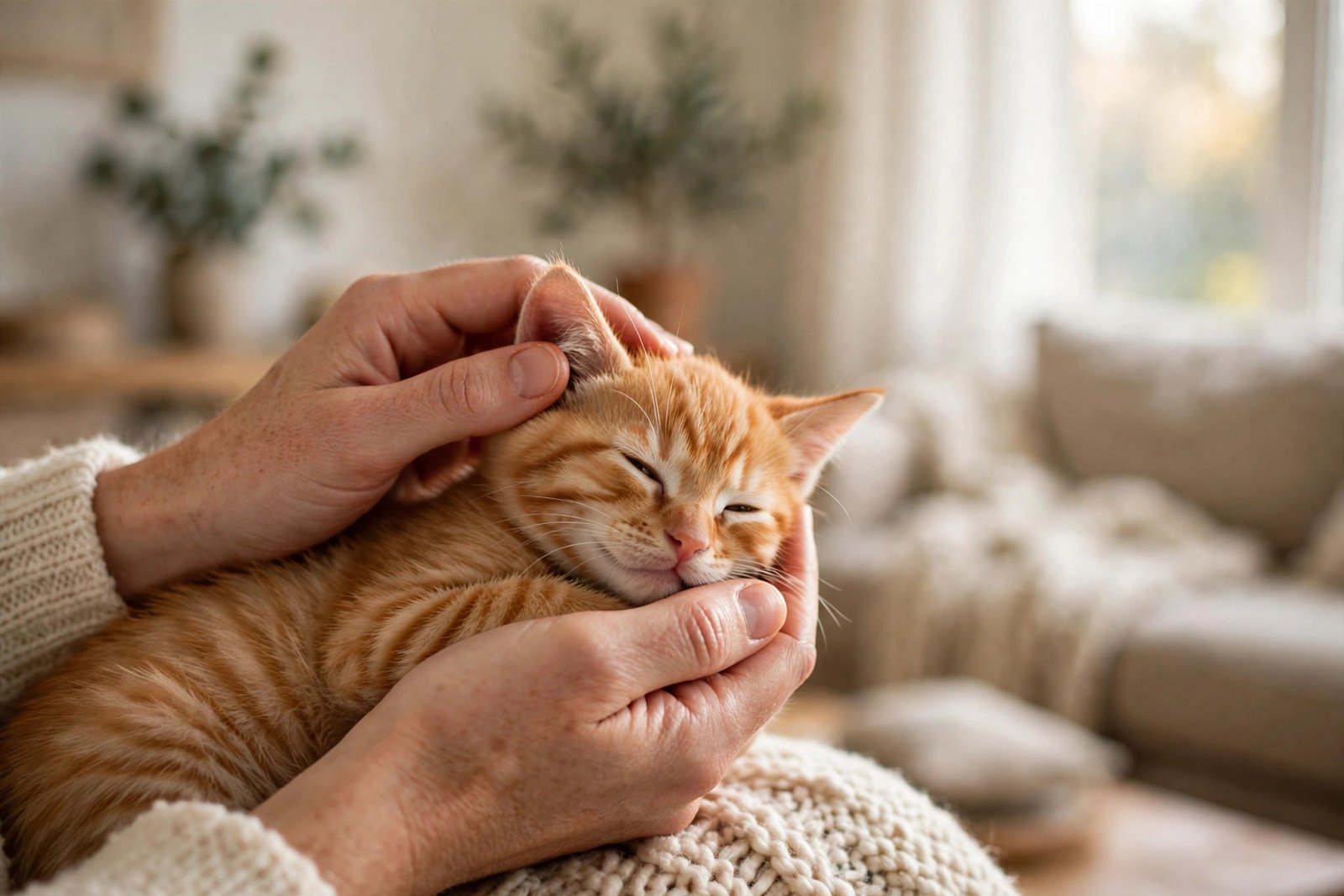
Learning how to socialize a kitten is one of the most important things you will do in your kitten’s first few months of life. The way your kitten experiences people, sounds, places, and other animals between roughly 3 and 14 weeks of age shapes the adult cat they will become. A well-socialized kitten grows into a confident, relaxed cat that enjoys visitors, tolerates vet visits, and handles everyday household noise without hiding under the bed. A kitten that misses this window can still learn to trust people, but it takes far longer, and some cats stay fearful for life. The good news is that socializing a kitten is simple, fun, and mostly just involves playing, gentle handling, and letting your kitten explore the world at their own pace.
In this guide, you will learn exactly when to start, how to introduce your kitten to new people and experiences step by step, what to do when your kitten gets scared, and the mistakes that can undo your progress. You do not need special equipment or professional training experience. You need patience, treats, and about 15 to 20 minutes a day. Whether you adopted a kitten from a shelter, a rescue, or a breeder in the United States, this plan works for kittens of every breed and background.
What Is Kitten Socialization and Why Does It Matter?
Kitten socialization is the process of gently exposing a young kitten to the sights, sounds, smells, people, and animals they will meet in everyday life, while making sure every experience is positive. Kittens are born with a short, sensitive learning period. During this window, their brains are wired to accept new things as normal. A vacuum cleaner, a doorbell, a child laughing, or a stranger’s hand are all just new information. After the window closes, usually around 14 weeks of age, new things are more likely to be treated as threats. That is why the same kitten that happily meets your neighbor at 8 weeks old might hiss at a stranger at 6 months old if they were never properly introduced.
Socialization matters because it affects your cat’s whole life. A confident cat is easier to take to the veterinarian, easier to board or leave with a pet sitter, and far less likely to develop stress-related behavior problems such as hiding, aggression, or inappropriate urination. According to the ASPCA’s kitten care guidance, early positive experiences with people and handling are key to raising a friendly adult cat. Shelters across the United States report that undersocialized cats are returned more often and wait longer for adoption. By putting in a little work now, you are giving your kitten the best possible start.
When to Start Socializing Your Kitten
The ideal time to start is the day your kitten comes home, and the earlier the better. Most kittens go to their new homes at 8 to 12 weeks old, which is right in the middle of the prime socialization window. If your kitten is younger than 8 weeks, work closely with your veterinarian, because very young kittens still need their mother or a bottle-feeding routine. If your kitten is older than 14 weeks, do not panic. You can still socialize an older kitten or even an adult cat. It just takes more patience, smaller steps, and more time.
Before you bring your kitten home, set up a safe room. This is a small, quiet room with a litter box, food, water, a bed, a scratching post, and a few toys. Let your kitten settle in this room for the first day or two. A new home is overwhelming. Give your kitten a hiding place, such as a cardboard box with a hole cut in the side or a covered cat bed, so they can retreat when they need to. Let them come to you. Sit on the floor, talk softly, and offer a treat or a toy. Forcing affection on a scared kitten is the fastest way to damage trust.
The 3 to 14 Week Window
Between 3 and 9 weeks, kittens learn most from their mother and littermates. They learn bite inhibition, body language, and how to play without hurting each other. Between 7 and 14 weeks, they learn about the human world. This is your window. Aim to introduce one or two new experiences every day during this period. Keep each session short, around 5 to 10 minutes, and always end on a good note with a treat or a play session.
Keep a simple checklist on your refrigerator or phone. Note each new experience your kitten has: met a man with a beard, heard the blender, rode in the car carrier, met a calm dog. When you can see the gaps, you know what to work on next. A kitten that has met 20 different people by 12 weeks old is far more likely to greet your guests with curiosity than fear.
How to Socialize a Kitten Step by Step
Follow these steps in order. You do not need to finish all of them in a week. Spread them over several weeks, watch your kitten’s body language, and slow down whenever your kitten shows signs of stress, such as flattened ears, a tucked tail, dilated pupils, or freezing in place.
Step 1: Gentle Handling Every Day
Start with handling. Several times a day, pick your kitten up gently, hold them for a minute or two, and put them down before they squirm. Touch their ears, paws, belly, and tail. Look in their mouth briefly. This is not just about cuddles. It prepares your kitten for vet exams, nail trims, and grooming for the rest of their life. Pair every handling session with a small treat, such as a piece of freeze-dried chicken or a lick of a commercial cat treat paste. In the United States, brands like Churu, Temptations, and Greenies make kitten-safe treats that work well for training. Use tiny amounts so you do not upset your kitten’s stomach.
Practice the “vet visit hold.” Gently place your kitten on a table, hold them still for a few seconds, and reward them. Practice opening their mouth and lifting their lip to look at their teeth. Touch each paw and press gently to extend the claws, then reward. If your kitten struggles, do not restrain them. Let them go, try again later, and keep the session shorter next time.
Step 2: Introduce New People
Invite friends and family over, one or two at a time. Ask visitors to sit on the floor, speak quietly, and let the kitten approach them. Give each visitor a treat to offer. Introduce people of different ages, appearances, and voices: men, women, children, people wearing hats, people with glasses, people in uniforms. Children should always be supervised and taught to be gentle. A single bad experience with a grabby child can set socialization back weeks.
If your kitten hides when a visitor arrives, that is normal. Do not drag them out. Let the visitor sit nearby and ignore the kitten. Curiosity usually wins within a few minutes. Place a treat a few feet from the visitor and let your kitten come get it. Over repeated visits, move the treat closer. Never force your kitten onto someone’s lap.
Step 3: Introduce Sounds and Household Noise
Normal household noise is one of the easiest things to socialize a kitten to, and one of the most often forgotten. Run the vacuum cleaner in another room while your kitten eats or plays, then gradually bring it closer over several days. Turn on the blender, the hair dryer, the washing machine, and the television at a normal volume. Play recordings of thunderstorms, fireworks, doorbells, and traffic at a low volume, then increase it slowly over days. Always pair noise with something good, like a meal or a play session.
If your kitten startles, stay calm. Your reaction teaches your kitten how to react. If you rush over and fuss, your kitten learns the noise is a big deal. If you stay relaxed and offer a treat, your kitten learns it is nothing to worry about. Never deliberately scare your kitten to “toughen them up.” That approach backfires and creates a fearful cat.
Step 4: Introduce Other Pets
If you have a dog or another cat, introduce them slowly. Keep the animals in separate rooms for the first few days and swap bedding so they can smell each other. Feed them on opposite sides of a closed door so they associate each other’s scent with food. Then let them see each other through a baby gate or a cracked door. When they seem relaxed, allow a short supervised meeting in a neutral room. Keep your dog on a leash and let your kitten have an escape route, such as a tall cat tree or a room they can retreat to.
For a step-by-step approach to dogs, our guide on how to socialize a puppy covers the same gradual exposure principles, and many of the techniques transfer directly to kittens. With other cats, expect some hissing and posturing at first. That is normal communication. Separate them if there is real aggression, such as chasing, biting, or prolonged screaming, and try again the next day.
Step 5: Carrier, Car Rides, and Vet Visits
Leave the carrier out in your kitten’s room with the door open and a soft blanket inside. Feed treats inside it so the carrier becomes a safe den, not a scary box that only appears before vet visits. Once your kitten walks in willingly, close the door for a minute, then open it and reward them. Take short car rides of 5 to 10 minutes, ending with something pleasant, like a treat or a play session at home. This prevents your kitten from associating the car only with vet trips.
Schedule your kitten’s first vet visit within a week of bringing them home. Bring treats and a familiar blanket. Ask your veterinarian to give your kitten a treat during the exam. A positive first vet visit pays off for years. If your kitten needs vaccinations or a checkup, read our guide on why every pet owner needs an emergency plan so you are prepared for the unexpected too.
Socializing a Shy or Feral Kitten
Some kittens come from feral mothers or situations with little human contact. These kittens need a slower approach, but they can absolutely become friendly pets. Start in a small room with few hiding spots so your kitten cannot avoid you entirely, but always provide one safe hiding place. Spend time in the room doing quiet activities: reading, working on your laptop, talking softly. Do not stare directly at your kitten. Cats read direct eye contact as a threat. Slow-blink at your kitten instead. It is a cat’s way of saying “I am safe.”
Use food as your bridge. Sit a few feet away while your kitten eats. Over several days, move closer. Offer food from a spoon, then from your hand. Use play as a second bridge. A wand toy lets your kitten interact with you from a safe distance. Once your kitten plays near you, you can start gentle touch during play. Progress may be measured in inches, not feet. A shy kitten that lets you touch them for three seconds today may allow a full cuddle in two weeks. Patience is the whole strategy.
Do not give up on a shy kitten. Rescue groups across the United States socialize thousands of feral kittens every year using exactly these methods. If you feel stuck, ask your veterinarian or a local shelter for a referral to a feline behaviorist. A single consultation, usually $75 to $150 in the United States, can save you months of guesswork.
Daily Socialization Routine for Kittens
Consistency beats intensity. A short daily routine works better than a single long session on the weekend. Here is a simple routine you can follow.
Morning (5 minutes): Handling practice. Pick your kitten up, touch their paws and ears, and give a treat. Put them in the carrier for a minute with a treat inside.
Midday (10 minutes): Play session with a wand toy. During play, introduce one new thing: a new sound, a new object, or a new person. Let your kitten explore a new room or a cardboard box.
Evening (5 minutes): Quiet cuddle time. Hold your kitten on your lap while you watch television. Let them fall asleep on you if they want to. This builds the bond that makes your kitten seek out human company as an adult.
Keep treats small and account for them in your kitten’s daily food. Overfeeding treats can cause stomach upset and weight gain. A kitten feeding schedule by age will help you balance meals and treats correctly as your kitten grows.
Common Socialization Mistakes to Avoid
Moving too fast. The most common mistake is overwhelming a kitten with too many new experiences at once. A kitten that meets ten strangers, a dog, and a vacuum cleaner in one afternoon will not be socialized. They will be terrified. One new experience per session is enough.
Punishing fear. Never punish a kitten for hiding, hissing, or running away. Fear is not bad behavior. Punishment teaches your kitten that you are not safe, which is the opposite of socialization. If your kitten is scared, make the situation easier and try again later.
Skipping handling. Many owners play with their kitten but never practice the boring handling: paws, ears, mouth, and belly. Then the first vet visit or nail trim becomes a wrestling match. Handle your kitten every single day, even when it feels unnecessary.
Keeping your kitten isolated. It is tempting to keep a tiny kitten in one room for weeks, but isolation is the enemy of socialization. Once your kitten is comfortable in their safe room, open the door and let them explore the rest of your home. Supervise at first and make sure they cannot get stuck behind appliances or chew electrical cords. Our guide on when kittens can go outside explains how to expand your kitten’s world safely, indoors first and outdoors only when they are old enough and protected.
Waiting too long. Every week you wait is a week of the socialization window lost. Start the day your kitten comes home, even if they seem scared. Short, gentle, positive sessions are safe from day one.
What to Do If Your Kitten Is Scared
Even with the best plan, your kitten will get scared sometimes. That is normal. The key is how you respond. First, do not chase or corner your kitten. Give them space and an escape route. Second, lower the intensity. If a sound is too loud, move farther away or turn it down. If a person is too close, ask them to sit still and ignore the kitten. Third, offer a high-value treat or a favorite toy to create a positive association. Fourth, end the session on a calm note. Do not end a session right after a scare if you can avoid it. Wait until your kitten relaxes, even slightly, then reward and stop.
Watch for signs that your kitten is over their threshold: dilated pupils, flattened ears, a puffed-up tail, hissing, growling, or freezing. If you see these signs, you have gone too far. Back up a step and make it easier next time. Socialization is not a race. A kitten that learns to trust slowly learns to trust deeply.
Socialization Checklist: Experiences Every Kitten Should Have
Use this checklist before your kitten turns 14 weeks old. Check off each item as your kitten experiences it calmly.
People: men, women, children, teenagers, older adults, people wearing hats, people with beards, people in uniforms, people using wheelchairs or walkers.
Handling: being picked up, held on their back, having paws touched, ears checked, mouth opened, belly touched, brushed, and nails touched.
Sounds: vacuum cleaner, blender, hair dryer, doorbell, knocking, television, music, thunderstorms, fireworks recordings, traffic, and a crying baby recording.
Places and things: car rides, carrier, vet clinic waiting room, different rooms in the house, stairs, a leash and harness, a cat tree, and a scratching post.
Animals: a calm dog, a friendly cat, and, if possible, the sight of birds or other pets through a window.
Do not worry if you miss a few items. The goal is breadth, not perfection. A kitten that has had 30 positive new experiences is far better prepared than one that has had five.
How Long Does Kitten Socialization Take?
Most kittens show clear progress within two to three weeks of daily socialization. By 12 to 14 weeks, a well-socialized kitten should be comfortable with handling, household noise, and meeting new people. But socialization does not stop at 14 weeks. Keep introducing new experiences throughout your cat’s first year. Take your cat to the vet regularly, invite guests over, and keep handling them gently. Cats that stop meeting new people can become less social over time, especially indoor-only cats.
For kittens adopted after 14 weeks, expect the process to take longer, often 4 to 8 weeks of patient work. For feral kittens, it can take 2 to 3 months. The timeline does not matter. What matters is steady, positive progress. Celebrate small wins: your kitten stayed in the room when the doorbell rang, or they let a visitor pet them for the first time. Those moments are the whole point.
Frequently Asked Questions
What is the best age to socialize a kitten?
The best age is between 3 and 14 weeks, with 7 to 12 weeks being the most important period. Kittens adopted at 8 to 12 weeks old are in the perfect window. Older kittens and adult cats can still be socialized, but it takes more time and patience.
How do I socialize a kitten that hides all the time?
Start in a small room, spend quiet time nearby without forcing interaction, and use food and play to build trust. Let the kitten approach you. Never drag a hiding kitten out. Most shy kittens start coming out within a week or two of daily, patient sessions.
Can you socialize a kitten that is already 6 months old?
Yes. A 6-month-old kitten can still learn to trust people and enjoy new experiences. Use the same gradual steps, but go slower and expect the process to take 4 to 8 weeks. Pair every new experience with treats and never force interaction.
How much handling does a kitten need each day?
Aim for several short handling sessions totaling 10 to 15 minutes a day. Pick your kitten up, touch their paws, ears, and belly, and hold them briefly. Short, positive sessions are far better than one long session that ends in a struggle.
Should I socialize my kitten with dogs?
Yes, if you have a dog or your kitten is likely to meet dogs in the future. Introduce them slowly, with your dog on a leash and an escape route for your kitten. Always supervise early meetings. A calm, well-behaved dog is the best teacher for a kitten.
Socializing your kitten is one of the kindest investments you can make in their future. A few minutes a day, a pocket full of treats, and a little patience will give you a confident, affectionate cat that enjoys life with you for the next 15 to 20 years. Start today, go at your kitten’s pace, and enjoy the process. The kitten that trusts you now will be the cat that greets you at the door for years to come.
1 thought on “How to Socialize a Kitten”